Back to overview
Apatite
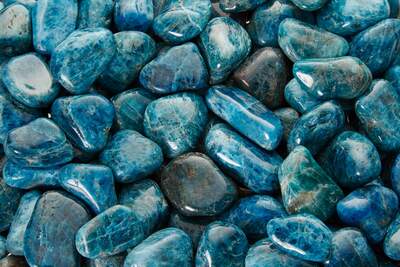
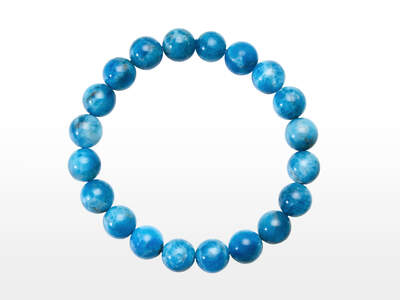
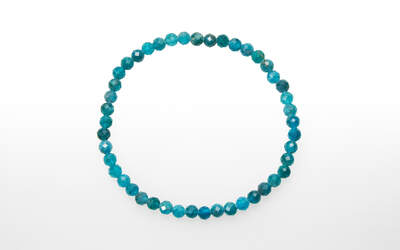
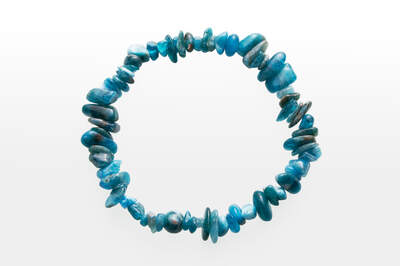
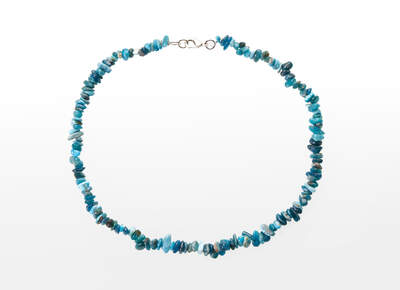
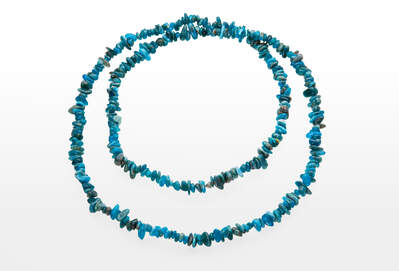
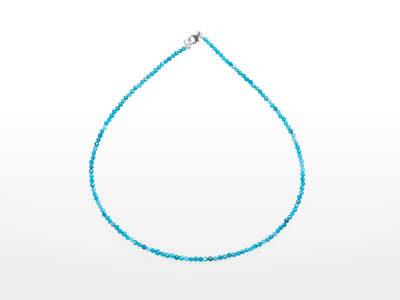
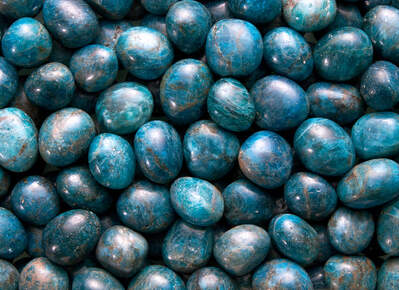
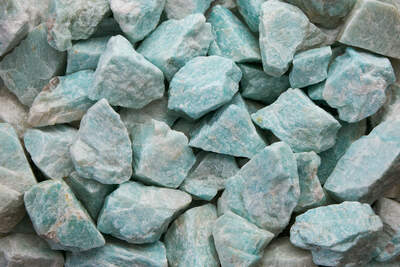
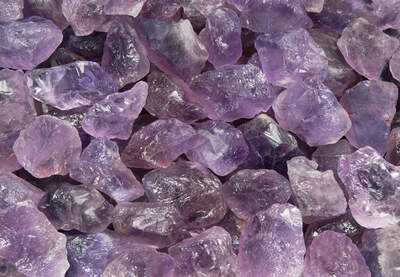
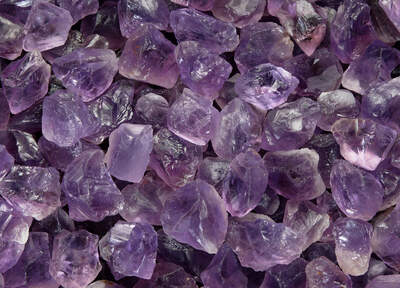
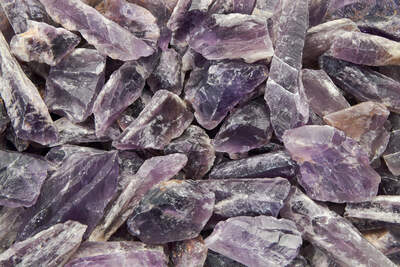
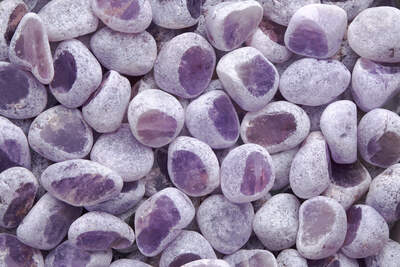
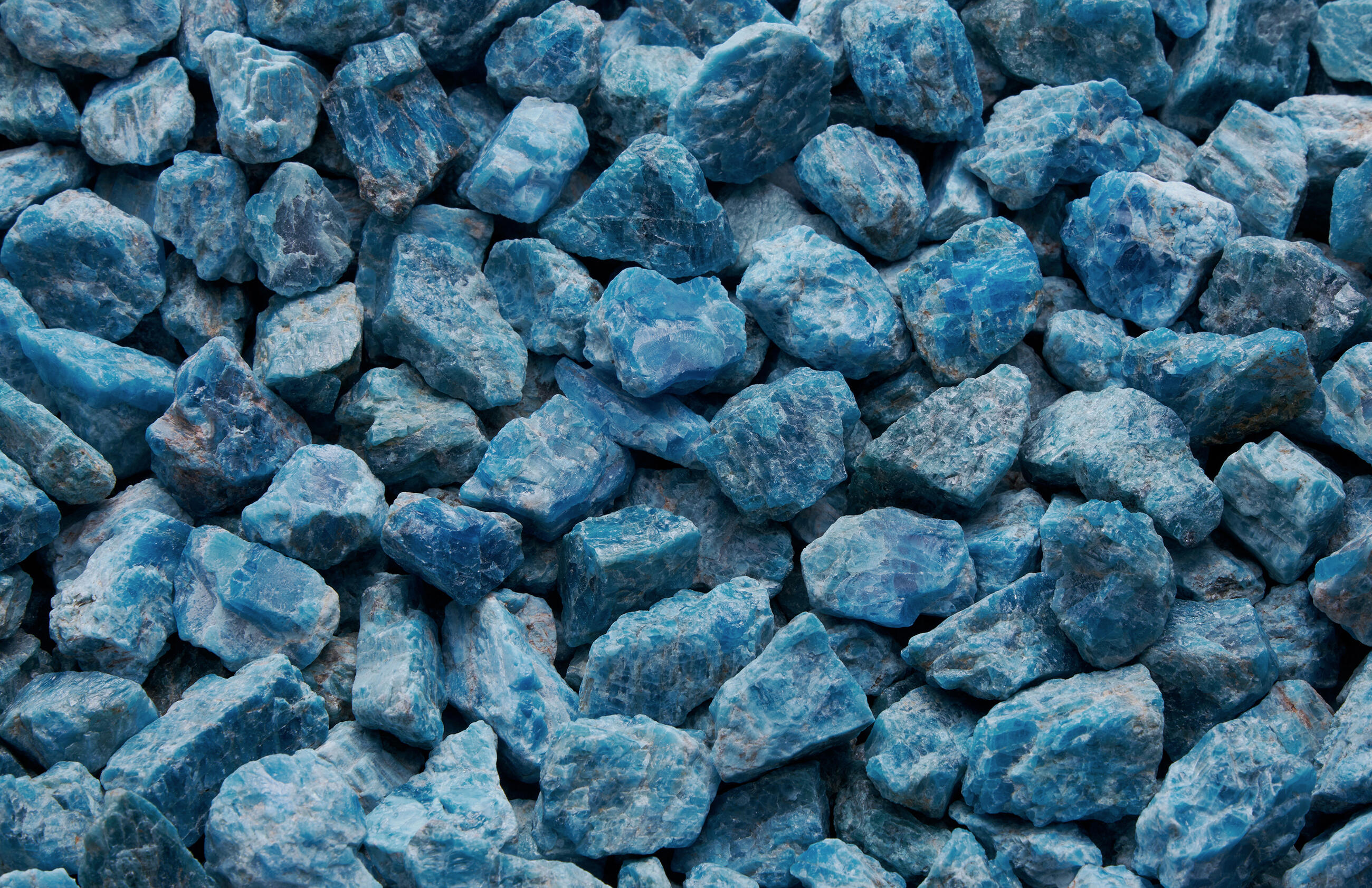
Apatite’s main distinction is its colourful heterogeneity. Apatite may go all the way from being colourless to white, yellow, pink, grey, green, blue or purple and brown. Because of this array of colours, mineralogists used to confuse apatite with other minerals. Even the name apatite, which comes from the Greek word apatein, means to deceive or to be misleading. Our apatite has a striking blue colour.
Special conditions/ treatment: Be careful when handling with acids as the vast majority of them etch the apatite. Stone may be damaged by using chemicals.
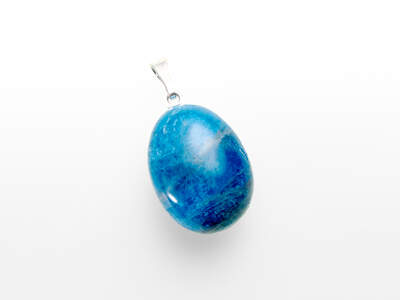
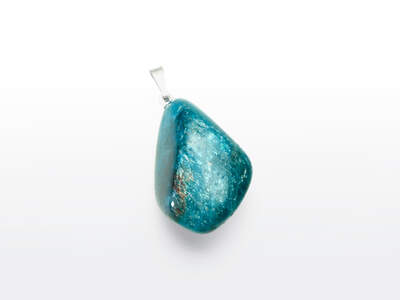
Use: Our rough stones are a beautiful interior adornment – filling up a vase, fountain or a lamp with them creates an original design. In the exterior, they may be a perfect decoration of gardens. They are also suitable for mineralogist collections and exhibitions. Rough minerals may also be further processed, e.g. small crystals are ideal material for pendants.
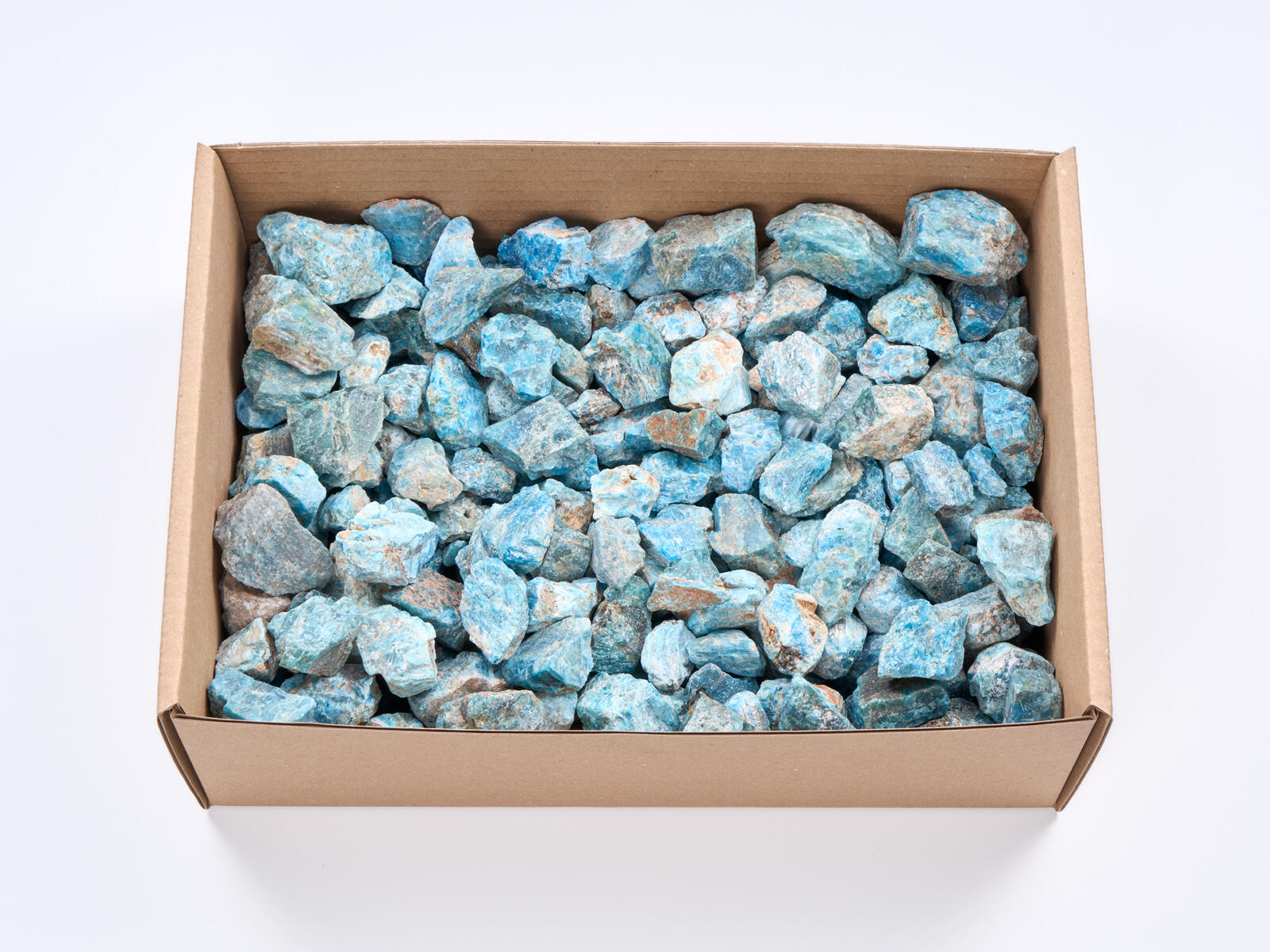
About the product: We sell rough minerals in one-kilogram packages, but we also offer discounted value packages of 5 kg and 25 kg in a cardboard box. XXL-JUMBO sized stones are available only in the value packages of 5 kg and 25 kg.
Special conditions/ treatment: Be careful when handling with acids as the vast majority of them etch the apatite. Stone may be damaged by using chemicals.
Use: Our rough stones are a beautiful interior adornment – filling up a vase, fountain or a lamp with them creates an original design. In the exterior, they may be a perfect decoration of gardens. They are also suitable for mineralogist collections and exhibitions. Rough minerals may also be further processed, e.g. small crystals are ideal material for pendants.
About the product: We sell rough minerals in one-kilogram packages, but we also offer discounted value packages of 5 kg and 25 kg in a cardboard box. XXL-JUMBO sized stones are available only in the value packages of 5 kg and 25 kg.